
Choosing the best truck blower can help your business run smoothly. It can significantly improve the safety and efficiency of dry bulk transportation and discharging. So it is necessary to pay more attention on how to choose the best truck blower for sale. Below are 10 tips I listed to help you find the best truck blower that’s right for you.
What is a Truck Blower?
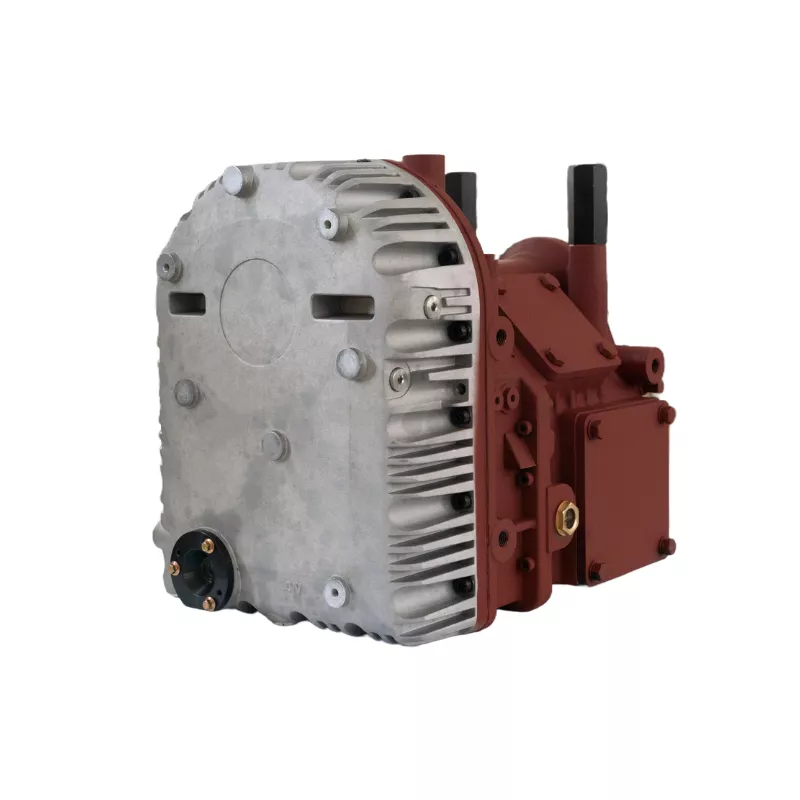
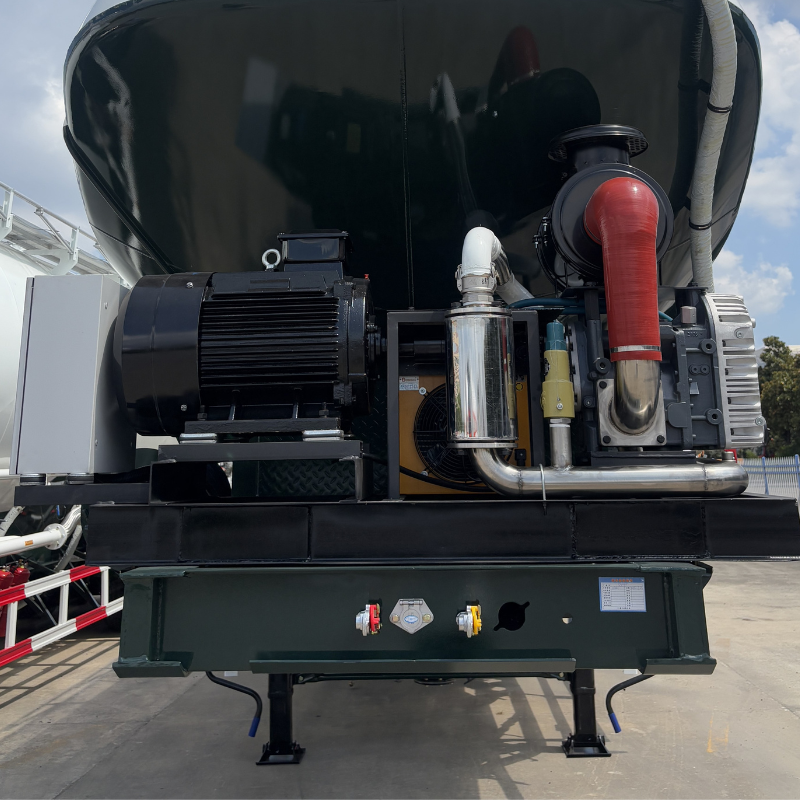
Simply put, a truck blower is the core device that enables pneumatic unloading in dry bulk logistics. It is a blower on truck that drproviding clean, efficient, and reliable air power for transferring bulk materials from truck to destination. The truck blower works by generating high-pressure airflow that pushes transported material out of the tank through a pneumatic conveying system. And then delivering it safely and efficiently to a storage silo or container without contamination or material loss.
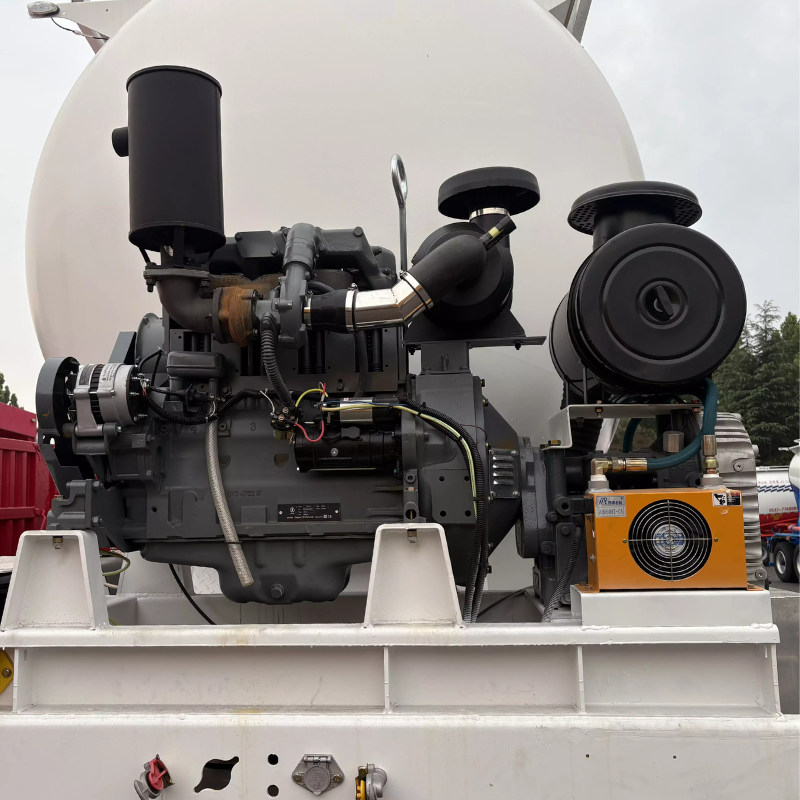
Usually, the truck blower on trucks or under the truck bed. They are usually powered by the truck’s PTO (Power Take-Off) or diesel engine. And even for the portable truck blower with the easiest use, it is movable on the ground. They are usually powered by electric motor.
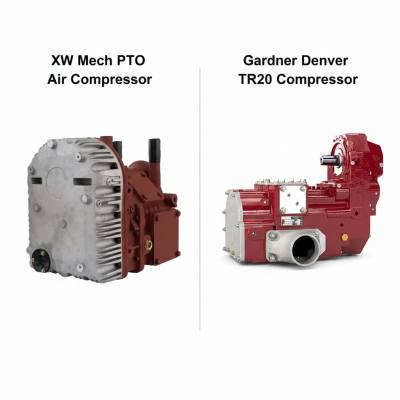
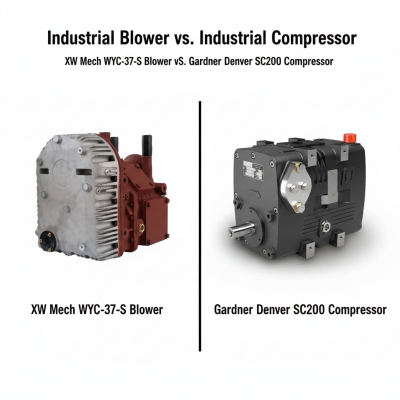
Unlike standard industrial blowers, truck blowers has the advantages of compact structure, light weight, and oil-free design. So the truck blowers are ideal solutions to handle continuous operation under demanding conditions.
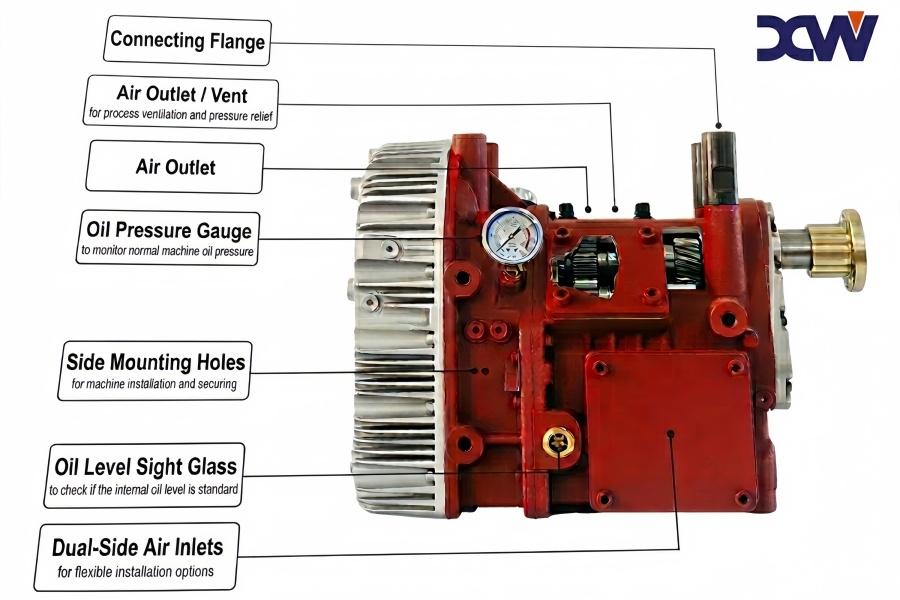
How to Choose the Best Truck Blower for Sale——10 Tips
Truck blowers are one of the most important component of a truck fleet. The quality and performance of the truck blowers will decide your truck working efficiency and your business operation cost to a certain extent. So please consider the following factors before purchasing a truck blower.
Tip 1. Identify Your Application Needs
Whatever you want, before you get started, you first need to consider what you want to use it for. Similarly, when choosing the best air blower for semi truck, you need to identify your core application needs. Ask yourself the following key questions: What industry are you engaged in? What are you most often used for? Will it be used for light-duty tasks or for heavy-duty commercial work?
By clearly defining these needs, you can effectively focus on the features that truly matter. It will narrow down your choices to select a truck blower that is not just powerful, but perfectly suited to your specific tasks.
Tip 2. Consider Your Airflow and Pressure Requirements
Air volume and pressure are the two most important specifications for truck blowers. Air volume (m³/h) determines the speed and range of material movement. The greater the air volume, the faster the material is pushed, and the more efficient the discharging process. Air pressure (Pa) represents the force of the air. Insufficient air pressure will lead to material blockage or incomplete discharging, especially in long ducts or high-resistance systems. Therefore, to ensure sufficient “pushing” or “suctioning” capacity to ensure discharging speed, efficiency, and reliability, it is important to carefully consider air volume and pressure parameters when selecting a truck blower.
Tip 3. Evaluate Your Material Compatibility
Dry bulk materials such as powders, granules, sand, resins, plastic pellets, glass additives, and dry powders vary widely in their properties (density, moisture content, flowability, and clogging susceptibility). The truck blower must be well-suited to your material type. For example, the XW Mech ** oil-free truck blower is specifically designed for dry bulk products like animal feed. While the Gardner Denver T5 Cycloblower is specifically designed for discharging plastic pellets.
Tip 4. Choose the Appropriate Truck Blower Type
Since truck blowers have a variety of installation methods, and the size and weight of the truck blowers vary. Therefore, you should consider the installation location and available space when selecting a truck blower. Different installation locations will affect the heat dissipation effect, maintenance convenience, and pipeline layout. Generally speaking, truck blowers can be installed on the truck chassis, rear, or side. At the same time, there are also multiple size options. For vehicles with limited installation space, the truck blower with lightweight structure and highly integrated design is the best suitable. XW Mech** dry bulk truck blower takes up little space, which is particularly suitable for truck applications with compact chassis or strict restrictions on installation location. And it is compatible with multiple drive methods, including diesel driven, electric motor driven, and PTO driven methods.
Tip 5. Choose the Right Power Source
What kind of power source does the truck blower adopt? Here are three main sources.
- PTO (Power Take-Off): The most common and efficient power source for truck blower in heavy-duty applications. PTO truck blower uses the truck’s engine power via the transmission. It’s powerful, fuel-efficient, and has no separate fuel costs.
- Hydraulic: Hydraulic truck blower is powered by the truck’s hydraulic system. This truck blower is a little complex to set up, but it is excellent for applications where the blower needs to be mounted away from the PTO or for variable speed control.
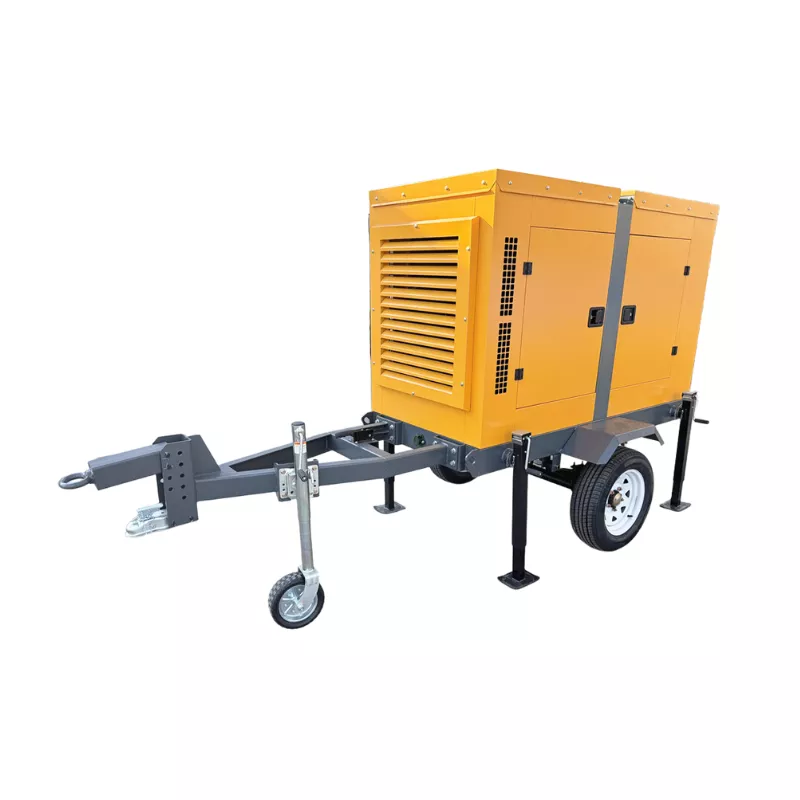
- Engine-Powered: Engine-powered truck blowers have their own dedicated gas or diesel engine. The engine is independent from the truck’s systems.
Tip 6. Compare Efficiency & Energy Consumption
First, determine your performance baseline of the truck blower. If a truck blower doesn’t meet this baseline, even low energy consumption is meaningless. Second, calculate the truck blower’s specific energy efficiency (actual operating air volume/ input power ). The higher this number, the more cost-effective the truck blower.
Tip 7. Consider Noise & Vibration Levels
When choosing the best truck blower, noise and vibration are also very important factors to consider. Because these two factors will directly affect the operating experience, equipment lifespan, and safety. XW Mech’s oil-free screw blowers have the advantages of low noise and low vibration, which can run over 6 years.
Tip 8. Review Your Maintenance Requirements
Consider ease of maintenance and the repair frequency. Does the truck blower require a dedicated manufacturer technician? Or can a regular mechanic handle the truck blower? This determines the waiting time and discretion for truck blower repairs. The truck blower repair frequency also impacts your operating costs. Therefore, considering these two factors, choosing a truck blower that is easy to maintain can save you significant money and time, avoiding project delays caused by equipment downtime.
Tip 9. Assess Brand Reputation & After-Sales Support
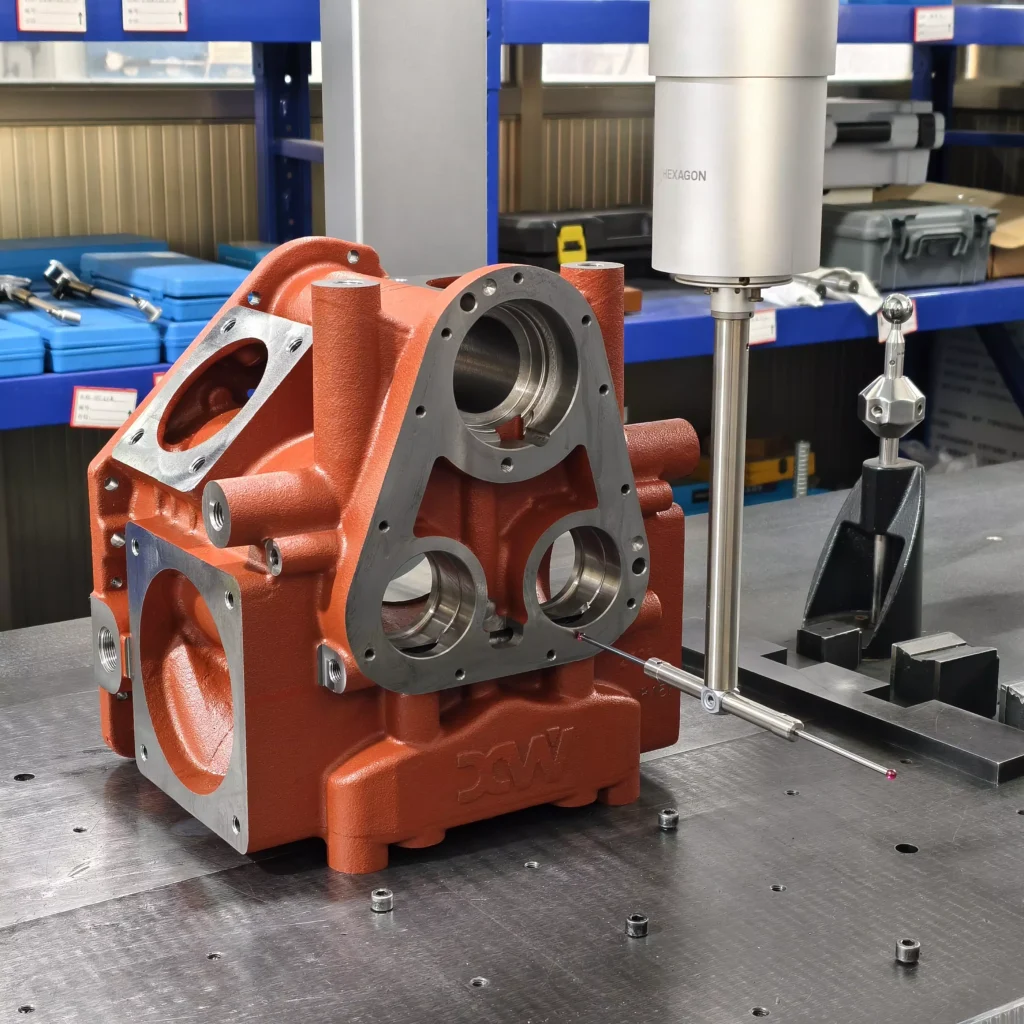
Well-known brands typically have longer histories, greater R&D investments, and more stringent quality control systems. Verify user reviews and do everything you can to find real users of these brands, especially those who have been using them for 2-3 years. Their reviews are crucial for your understanding. If possible, personally visit the brand’s factory or regional headquarters to get a feel for its strengths and management. And the value of a truck blower lies half in the product itself and half in the service behind it. Pay special attention to warranty terms, service terms, and parts availability. All promises should be clearly written in the contract. A comprehensive after-sales service system provides customers with dual assurance, effectively guaranteeing product reliability and performance.
Tip 10. Compare Budget & Price Range
First, determine a rough budget based on your basic needs. Then, get quotes from several suppliers to see if they’re within your budget. If the price is low and within your budget, keep in mind that truck modifications, drive interfaces, mounting brackets, shipping, and taxes can be substantial. It’s best to budget for installation and modification costs. If the quote is significantly higher than your budget, either increase your budget or reduce the specifications. Still, make sure the basic specifications (flow/pressure) aren’t significantly lower than you need, as this might result in a lower price but insufficient functionality.
Conclusion
There’s no such thing as the “best” truck blower; there’s only the one that best suits your current business needs. XW Mech recommends carefully considering your business needs before considering other important factors like performance, brand, after-sales service, and price.