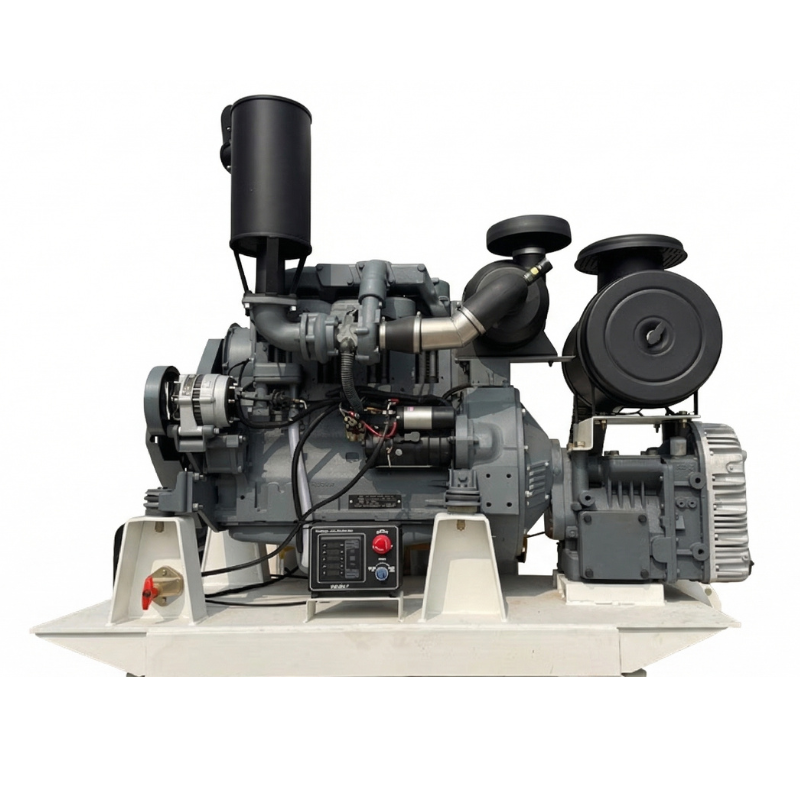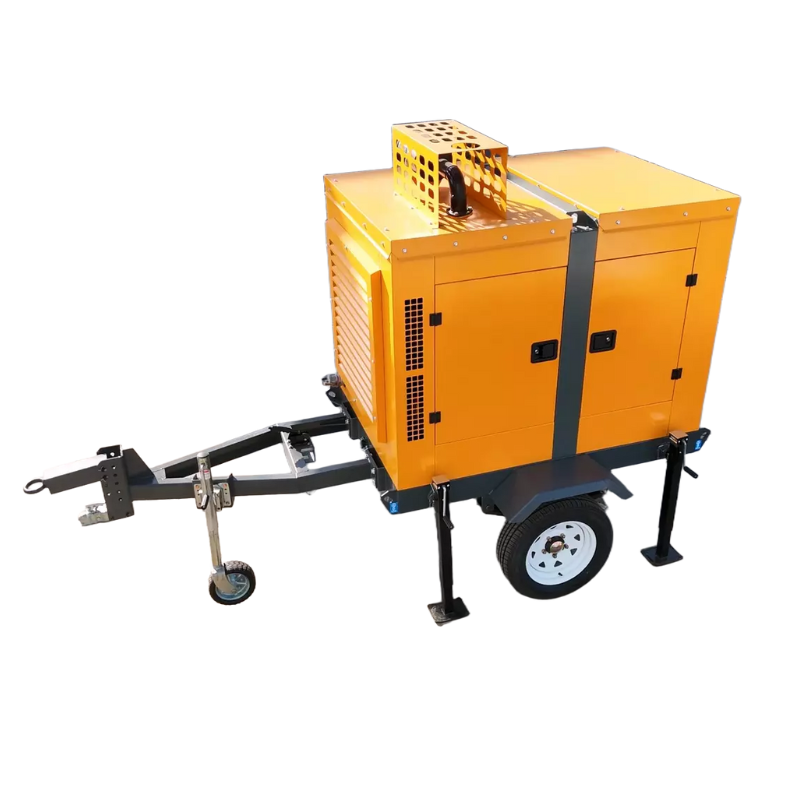

Truck mounted compressed air system——truck mounted compressors and blowers are essential to industrial transport and bulk material handling. Whether you’re moving dry bulk powders or liquid products from tanks, choosing the right truck mounted compressors and blowers will affect your working efficiency and total operation cost.
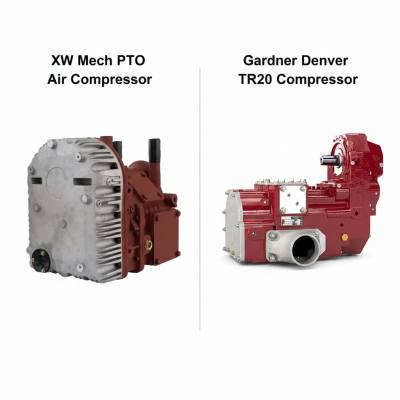
Today, I will make a comparison between two of the most popular air compressing models——XW Mech WYC-37-S Blower and Gardner Denver SC200 Compressor. Below, I’ll analyze their features, performance, engineering design, applications, and target users to help you choose the best fit for your operations.
01. Purpose & Application
XW Mech WYC-37-S Blower — Dry Bulk Discharge
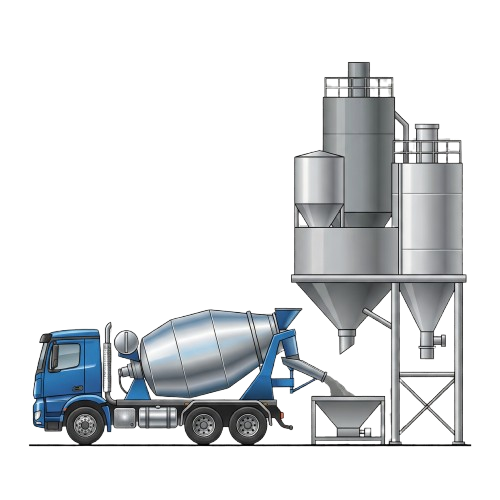
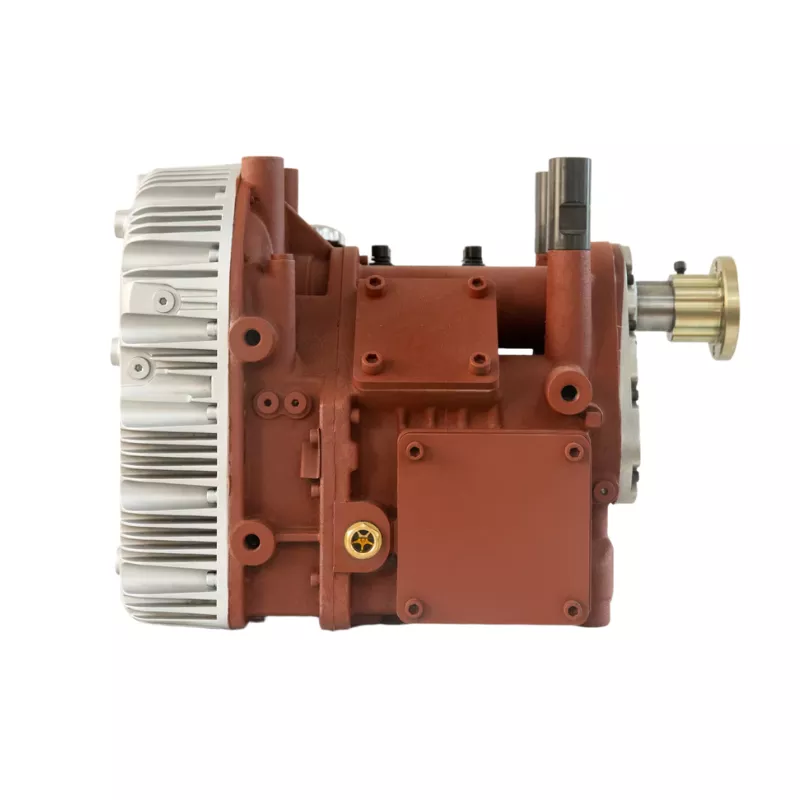
The XW Mech WYC-37-S blower is part of the WYC-37 series of oil-free truck mounted blowers and compressors. It is specially designed primarily for contaminant-free discharge of dry bulk material.
Key intended on-road applications include:
- Cement, fly ash, lime, and construction materials
- Dry food ingredients, flour, grains, feed pellets
- Chemical powders used in manufacturing or transportation sectors
Unlike traditional compressors meant for pressurizing gases, the WYC-37-S feeds continuous high-volume airflow into dry bulk systems to facilitate unloading, conveying, and pneumatic transfer.
Gardner Denver SC200 Compressor — Liquid Bulk Discharge
The SC200 compressor is also a compact rotary screw compressor the same as XW Mech WYC-37-S blower. However, GD SC200 compressor is engineered for liquid bulk discharging — such as foodstuffs, chemical acids/alkalis, solvents, hot bitumen, and so on.
Key intended on-road applications of SC200 compressor include:
- Food & beverage discharging (wine, milk, edible oils)
- Chemical liquid transport (solvents, acids, resins)
- Bitumen or viscous liquid transfer where oil contamination must be avoided
Unlike dry bulk blower designs, the Gardner Denver SC200 compresses the air supply that pressurizes the tanker to discharge liquids safely and efficiently — and crucially without oil contact with the product.
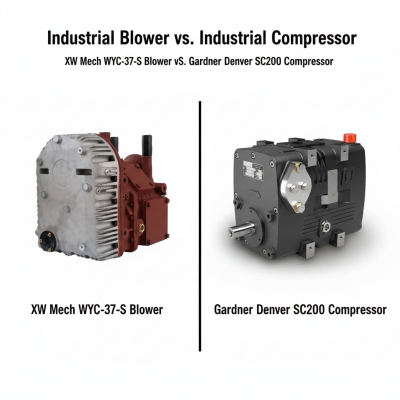
02. Technical Specs & Performance Data
Getting into measurable data helps illustrate the real world capabilities of these two different truck mounted air compressors.
XW Mech WYC-37-S Performance Data
XW Mech WYC-37-S published performance data as the below:
- Airflow Displacement: 12 m³/min (≈720 m³/h / ≈425 CFM) — high volume for rapid dry bulk discharging.
- Working Pressure: 2 bar (≈30 psi / 0.2 MPa) — ideal for pneumatic conveying of powders.
- Operating Speeds: 900 to 1500 RPM typical PTO-driven range. (Other driven method is also optional.)
- Service Life: 8–10 years with appropriate maintenance.
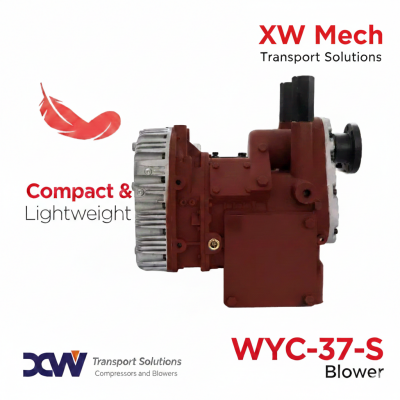
- Weight: Designed to be lightweight (≈130 kg) for easy truck or trailer mounting and improved payload.
The continuous airflow design is reported to cut maintenance costs and deliver a low total cost of ownership for countries or operations where dry bulk material movement is a daily necessity.
Gardner Denver SC200 Performance Data
SC200 compressor, while smaller in scale relative to a dedicated blower, has specific compressor performance metrics tailored to liquid discharge:
- Maximum Airflow: 156 m³/hr (≈92 CFM) at 2.5 bar (≈36 psi).
- Oil-Free Compression: Ensures no contamination in product discharge.
- Compact & Lightweight: Designed to maximize space on a tanker and can be installed in restricted chassis spaces.
- Installation Flexibility: PTO direct-drive, hydraulic, or electric motor drive options adapt to many vehicle configurations.
Because the SC200 compressor’s core mission is to pressurize bulk liquid tanks for discharge. Its airflow rate and pressure spec (156 m³/hr at 2.5 bar) is engineered for optimal liquid flow rather than bulk gas or dry media conveyance.
03. Design Philosophy & Engineering
XW Mech — High Volume, Minimal Downtime
The XW Mech WYC-37-S is engineered for continuous, high-volume air delivery, designed around:
- Continuous airflow with minimal pulsation — ideal for moving bulk powders where pipeline pressure needs consistency.
- Low maintenance, high reliability components — simplified blower rotors and fewer wearing parts result in long service life.
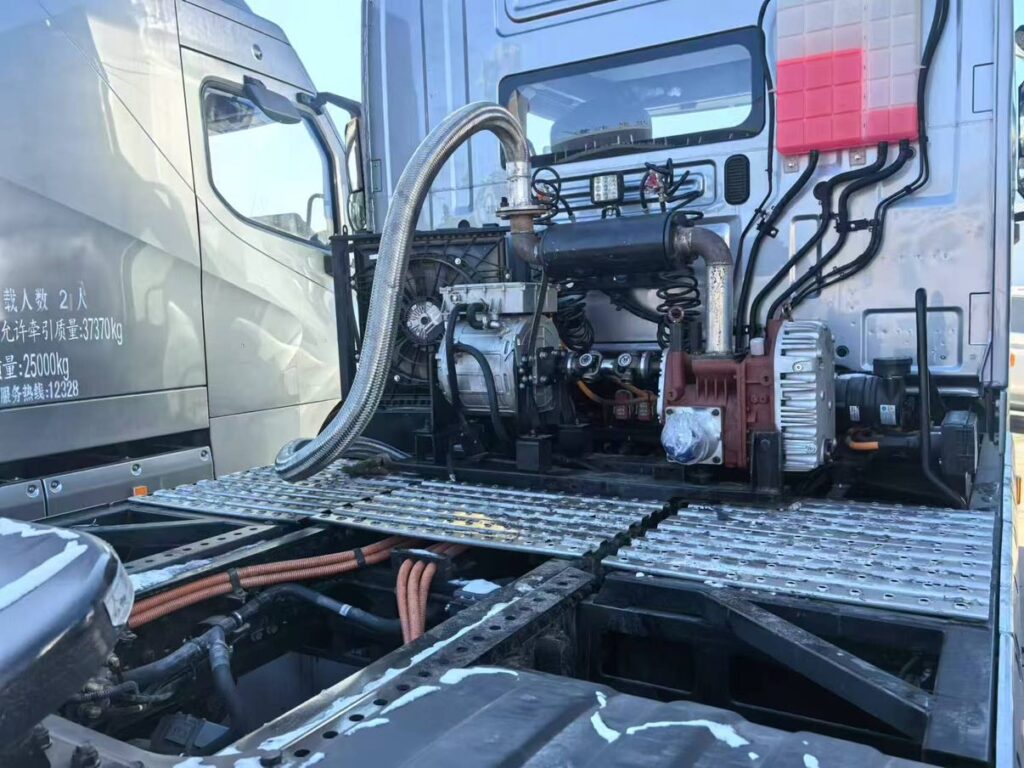
- Truck PTO integration — the blower uses the truck’s power to reduce separate engine needs, improving logistics appeal.
This design resonates with transporters, logistics firms, and bulk powder handlers who prioritize fast unload cycles, minimal maintenance, and robust performance under varied road conditions.
Gardner Denver — Precision & Contamination Control
In contrast, Gardner Denver’s SC200 compressor represents:
- Oil-free rotary screw compression — ensures zero contamination of product air/gas or liquids.
- Contactless rotors — no wearing parts in the compression chamber reduce maintenance frequency.
- High pressure & installation flexibility — performance optimized at ~2.5 bar discharge with flexible drive options on tank trucks.
- Corrosion-resistant coatings on rotors for extended life in chemical and aggressive fluid environments.
The SC200 compressor’s engineering focus is minimizing contamination, ensuring clean discharge, and operation safety— key for industries where quality and regulation matter, such as food, beverage, or chemicals.
04. Target Customer & Industry Fit
One of the clearest differences between these two machines lies in who should consider them and for what applications.
Who Benefits Most from XW Mech WYC-37-S
The WYC-37-S blower is best suited for:
Dry bulk transporters (cement, flour, feed pellets, chemicals in powder form)
Companies prioritizing high-volume airflow at low pressures
Operations where downtime must be minimized and maintenance intervals long
Fleet requiring lightweight and PTO-driven performance
Ideal sectors: construction materials, food ingredient transport, animal feed logistics, dry chemical handling.
In these cases, the blower’s large air volume and simple blower rotor design translate into fast discharge times, low maintenance cost, and reliable field performance.
Who Should Choose Gardner Denver SC200 Compressor?
The SC200 compressor suits customers who require:
Contaminant-free air for product discharge
Liquid bulk transport & unloading (food grade liquids, chemicals, bitumen)
Compact, vehicle-mounted systems with flexible drive options
Precision pressure control at moderate airflow
Ideal industries include:
- Food & beverage liquid transport, where hygiene and oil-free discharge are regulatory essentials.
- Chemical transport & processing, where cross-contamination risks must be mitigated.
- Specialized tank truck fleets needing reliable, space-efficient compressor installations.
05. Maintenance, Cost, and Lifecycle Considerations
XW Mech WYC-37-S
- Service life: ~8–10 years with standard maintenance.
- Maintenance profile: Designed for minimal downtime; blower rotors and bearings engineered for longevity.
- Total cost of ownership: Low relative to aftermarket parts, simplified repair, and high uptime.
Gardner Denver SC200 Compressor
- Operational simplicity: Oil-free design minimizes contamination-related service events.
- Maintenance & parts: Availability backed by Gardner Denver’s global service network.
- Lifecycle: While SC200 compressor is not engineered to deliver the massive flow of a blower, its compact oil-free design reduces long-term service complexity.
Conclusion: Which Is Right for You?
The choice between the XW Mech WYC-37-S blower and Gardner Denver SC200 compressor ultimately boils down to your application domain:
Need high airflow for dry bulk unloading?
XW Mech’s blower delivers large cubic volumes of air at efficient pressures, perfect for dry materials.
Need contaminant-free compression for liquids?
Gardner Denver’s SC200 compressor targets liquid bulk discharge with oil-free compressed air and precision performance.
While both technologies share rotary screw roots, their engineering optimization — high volume vs. oil-free precision — and industry focus differ sharply. Choose based on whether your priority is air volume for dry materials or clean compression for liquid unloading.