
Truck mounted air compressors are one of the most versatile and mobile solutions, especially for professionals who need safe. So truck mounted air compressors are essential tools for many industries—from construction and mining to energy and transportation. This blog will provide a comprehensive overview of all things about truck mounted air compressors. From how they work and their primary functions, to their types, applications, pricing, and maintenance tips. Whether you’re a contractor or a fleet operator, understanding deeply about truck mounted air compressors can help you optimize your workflow.
What is A Truck Mounted Air Compressor?
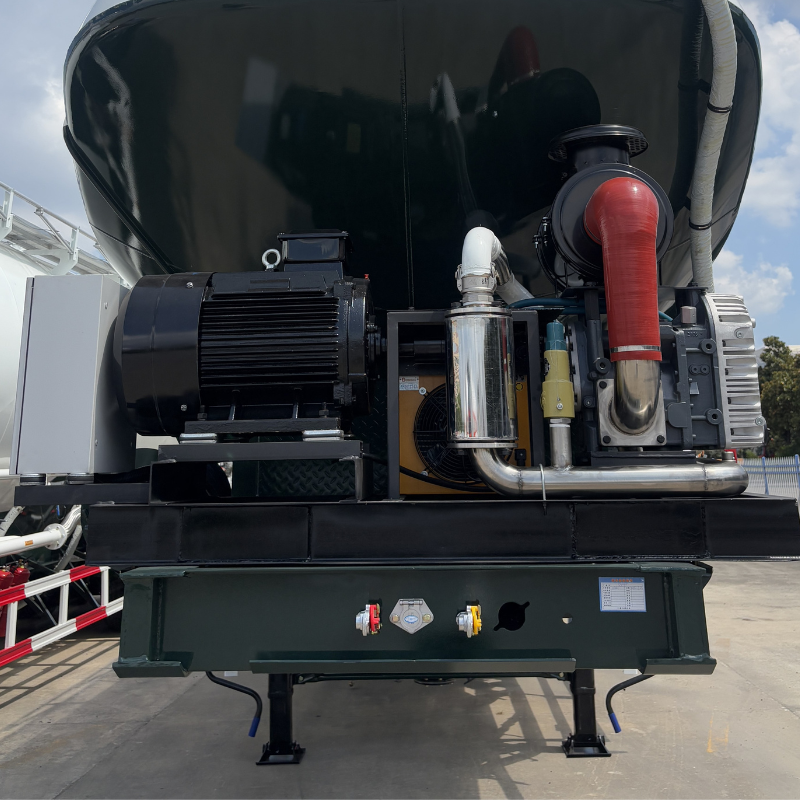
Truck mounted air compressor is a mobile device used to generate and store compressed air to assist in the discharging of dry bulk materials (such as cement, fly ash, grain, and chemical powders). Truck mount air compressor is the most portable truck air compressor for sale on the market. It can be mounted on a truck or service vehicle—either on the bed or integrated into the chassis.
What does A Truck Mounted Air Compressor Consist of?
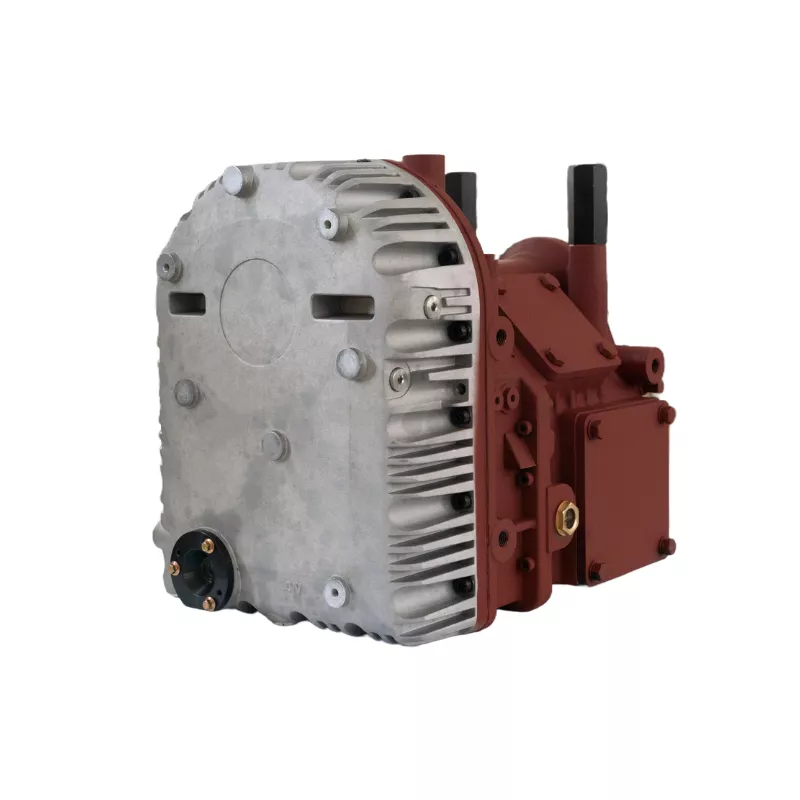
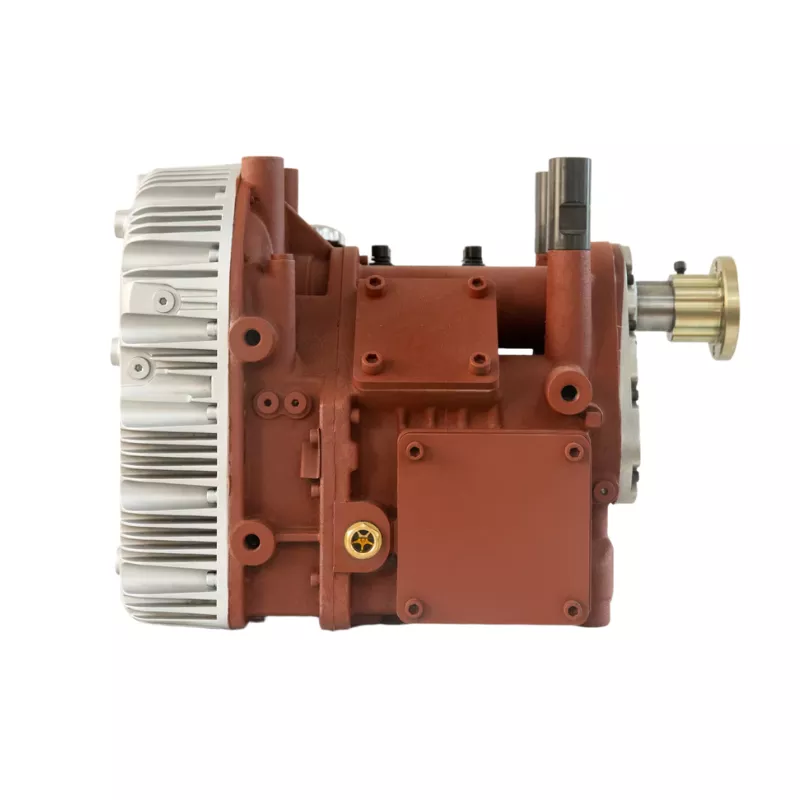
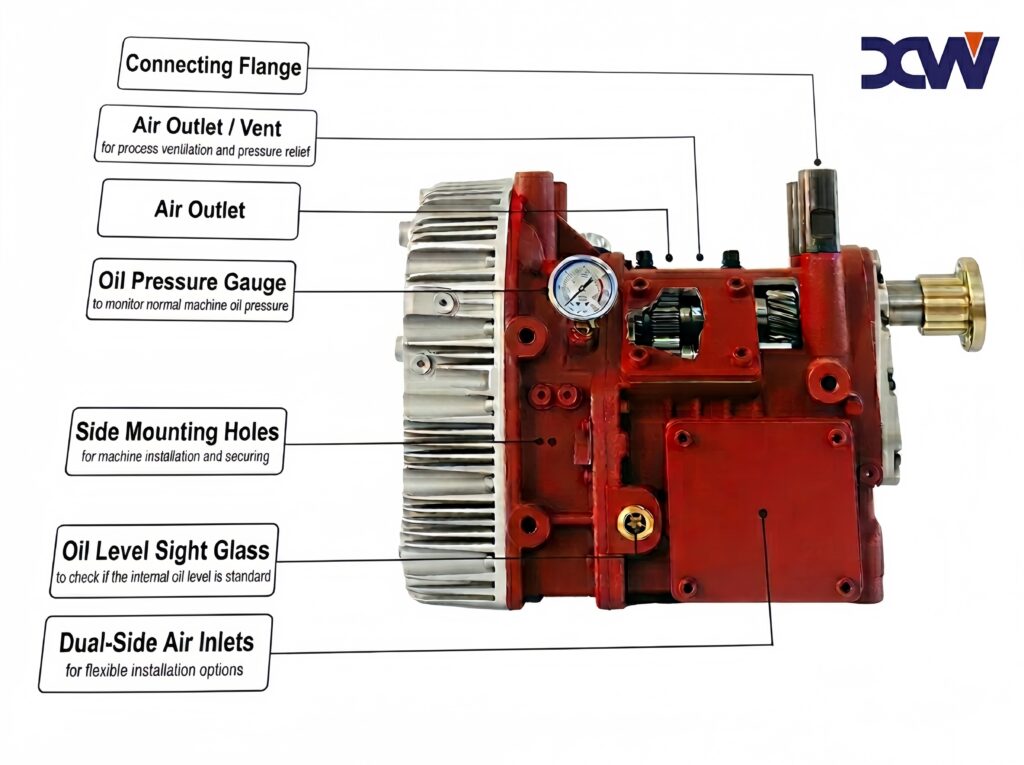
Truck mounted air compressors are consist of a compressor main unit, power system, control system, air filtration system, lubrication system, cooling system, and exhaust system. They can be divided into two common main units——truck mounted rotary screw air compressors and truck mounted piston air compressors. However, the truck mounted rotary screw air compressors currently gaining market share due to their powerful features.
The truck mounted air compressor main unit is also called truck mounted air compressor generator, as it is responsible for generating and discharging compressed air. For example, a screw truck mounted air compressor is consists of the following parts——housing, rotors, bearings, seals, air inlet and exhaust. Among these, the male rotors and female rotors are the most crucial truck mounted air compressor parts. Because their meshing rotation gradually reducing the air volume, resulting the increased pressure. They determine compression efficiency, airflow, and noise levels. While truck mounted air compressor bearings provide support for the rotors, ensuring smooth operation and preventing wear. And seals prevent the leakage of lubricating oil or compressed air, ensuring compression efficiency. Moreover, in oil-free compressors, seals are particularly critical, ensuring that air is completely free of oil.
How Does A Truck Mounted Air Compressor Work?
The working principle of a truck mounted air compressor is to use the truck engine or independent power source, to draw air into a compression chamber. Be detailed, that is the air is compressed into high-pressure air, and then transported through an exhaust system to an air storage tank or pneumatic conveying pipeline. Finally, the compressed air is mixed with the material to form a gas-solid mixture, being transported to the target location through a discharge pipe under pressure.
A screw truck mounted air compressor uses a pair of male and female rotors that mesh at high speed within a housing. After air is drawn into the rotor teeth, the rotors rotate, gradually reducing the chamber volume and increasing the air pressure. Finally, the air is discharged through the exhaust port, achieving a continuous and stable compression process. A piston truck mounted air compressor, on the other hand, uses the reciprocating motion of a piston within a cylinder to periodically complete the three stages of intake, compression, and exhaust. Both methods convert mechanical energy into gas pressure energy, providing a stable power source for the truck’s pneumatic equipment or pneumatic conveying system.
Key Features & Advantages of Truck Mounted Air Compressor
Compared to traditional mechanical conveying methods (such as dump trucks and screw conveyors), truck mounted air compressors offer overwhelming advantages.
- Flexible Conveying, Breaking Free of Space Constraints
Truck mounted air compressor adopts pneumatic conveying to transport materials horizontally or vertically to silos hundreds of meters away and tens of meters high. This is an irreplaceable advantage for construction sites with confined spaces and uniquely located silos, unmatched by mechanical conveying methods. - Wide Material Adaptability & Low Breakage
From fine powders like flour to various granular materials, truck mounted air compressor can handle them all. Especially for delicate materials like grain and plastic pellets, the gentle pneumatic conveying method of truck mounted air compressor reduces the pressure and wear of screw conveyors, ensuring the quality of the goods. - High Level of Automation, Reducing Labor Costs
The driver simply connects the pipes and operates the truck mounted air compressor control panel to complete the entire unloading process. This eliminates the need for heavy manual labor and the need for additional loading and unloading workers, significantly reducing labor costs and intensity. - High Efficiency and Stability, Energy Saving and Consumption Reduction
A large-displacement, stable truck mounted air compressor is the fundamental guarantee for efficient unloading. Faster unloading reduces waiting time for vehicles and drivers, resulting in more transport trips per unit time, directly increasing operating revenue and asset utilization. Furthermore, efficient compression technology means more compressed air is produced using less fuel (for PTO-driven trucks) or diesel (for standalone trucks), directly reducing energy costs. - Dust-free operation throughout the entire process, ensuring safety and environmental protection
Using the truck mounted air compressor, materials are transported in completely enclosed pipelines, ensuring dust-free transport from tanker to silo. This not only complies with increasingly stringent environmental regulations and avoids fines, but also creates a better working environment and demonstrates the company’s social responsibility to its employees.
Types of Truck Mounted Air Compressor
According to the installation location:
- Air Compressor Mounted On Truck
- Air Compressor Mounted Under Truck
According to the drive method:
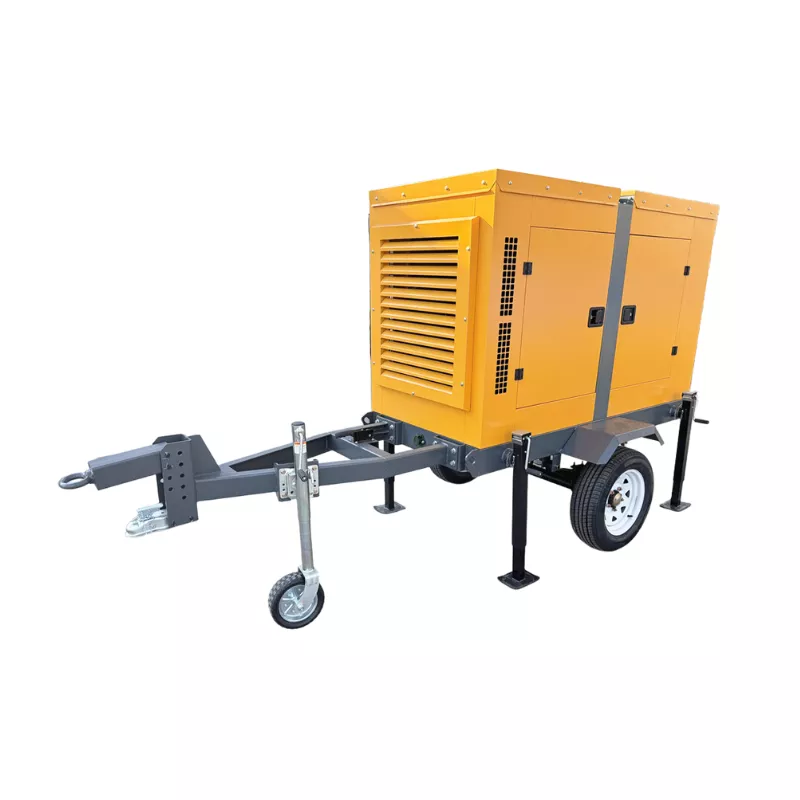
- Truck Mounted Diesel Air Compressor
- Truck Mounted Electric Air Compressor
- Truck Mounted PTO Air Compressor
- Truck Mounted Hydraulic Air Compressor
Applications of Truck Mounted Air Compressor
1.Truck Mounted Air Compressor in Building Materials Industry
Cement Transportation: This is the most classic application. Compressed air fluidizes cement, allowing it to be transported like a fluid through pipelines from tank trucks to cement silos or mixing plants at construction sites.
Fly Ash Transportation: A byproduct of thermal power plants, it is used in cement and concrete production. Its properties are similar to those of cement and require pneumatic conveying.
Construction raw materials such as quicklime, mineral powder, and gypsum powder.
2.Truck Mounted Air Compressor in Grain and Food Industry
Flour, starch, and grain flours: These require extremely clean compressed air, sometimes even requiring an oil-free air compressor to prevent oil contamination and ensure food safety.
Pelletized grains such as soybeans, corn, and wheat: For pelletized grains, pneumatic conveying can avoid the potential for pellet breakage that can occur with mechanical conveying (such as screw conveyors).
Feed, sugar, salt, etc.
3.Truck Mounted Air Compressor in Chemical and Plastics Industry
Plastic granules: such as PE granules, PP granules, and PVC granules, etc.
Chemical powders: such as calcium carbonate and titanium dioxide (titanium dioxide). Please note that explosion-proof and corrosion-resistant materials must be used.
How Much Is A Truck Mounted Air Compressor Price?
Key factors affecting the truck mounted air compressor cost:
- Capacity / Output— Higher volume/pressure means higher cost.
- Compressor Type — Screw truck mounted air compressors are more expensive than reciprocating truck mounted air compressors.
- Engine / Power Source — Diesel + vehicle integration costs more than a small auxiliary.
- Duty Cycle — Units designed for continuous heavy use cost more.
- Brand & Import/Export — Some brands / imported units carry premium pricing.
- Additional Functions
If you’re wondering how much a truck mounted air compressor costs, here’s a summary based on current market data and available models.
- Entry / light duty truck mounted air compressors (smaller capacity) can be significantly cheaper (hundreds to a few thousand US$).
- Standard truck mounted air compressors in the mid-duty range (e.g., 11-13 HP, 30-gallon) are around US$5,000-6,000.
- Higher duty, diesel-engine driven truck mounted air compressors (screw type, full vehicle‐mounted units) can go above US$10,000.
How to Maintain the Truck Mounted Air Compressor?
When maintaining a truck mounted air compressors, you’d better adhere to the principles of “frequent inspection, regular cleaning”. Keep the lubrication, cleanliness, and cooling conditions of truck mounted air compressor in good condition. This will not only reduce downtime but also significantly extend the life span of the truck mounted air compressors.
I. Daily Inspection and Maintenance
- Check the engine oil level of truck mounted air compressor
Before using, check and ensure that the oil level is within the specified range. If the oil becomes black or turbid, replace it promptly. For oil-free models, please check the seals and coating integrity. - Check the air filter of truck mounted air compressor
Ensure that the air intake is unobstructed and free of dust and obstructions. Clean it every 50-100 hours (depending on the operating environment). If the filter element is severely contaminated, replace it promptly. - Check connections and fastening bolts of truck mounted air compressor
Regularly check the intake and exhaust pipes, oil pipes, couplings, drive belts, etc. for looseness or leaks. - Check the cooling system of truck mounted air compressor
Clean dust and debris from the cooler fins to ensure proper heat dissipation. Check that the fan is operating properly.
II. Operation, Storage, and Maintenance
Period Before operation
Before starting, check all valves to make sure they are in the correct position. And then run the equipment at no load for 1-2 minutes to confirm there are no abnormal sounds or leaks.
Period During operation
Please monitor operating pressure, temperature, and exhaust volume regularly at normal. If temperature rise abnormally or excessive vibration is detected, immediately shut down the unit for inspection.
Shutdown and Long-term Storage
Before prolonged shutdown, drain all condensate from the air tank and oil-water separator. Fill the unit with anti-rust oil and store in a dry, well-ventilated location.
Conclusion
Truck mounted air compressors offer great convenience for dry bulk discharging, pneumatic powering, and compressed air mobile providing. Therefore, truck mounted air compressors have become the best popular and useful device across a wide range of industries. Learn about the truck mounted air compressor components, working principles, and maintenance tips can help you better use it and maximize your operational efficiency.
Selecting the best suitable truck mounted air compressor according to your specific application needs. Only investing in a high-quality truck mounted air compressor for sale, you can get long-term reliability and safety, as well as good ownership total cost.