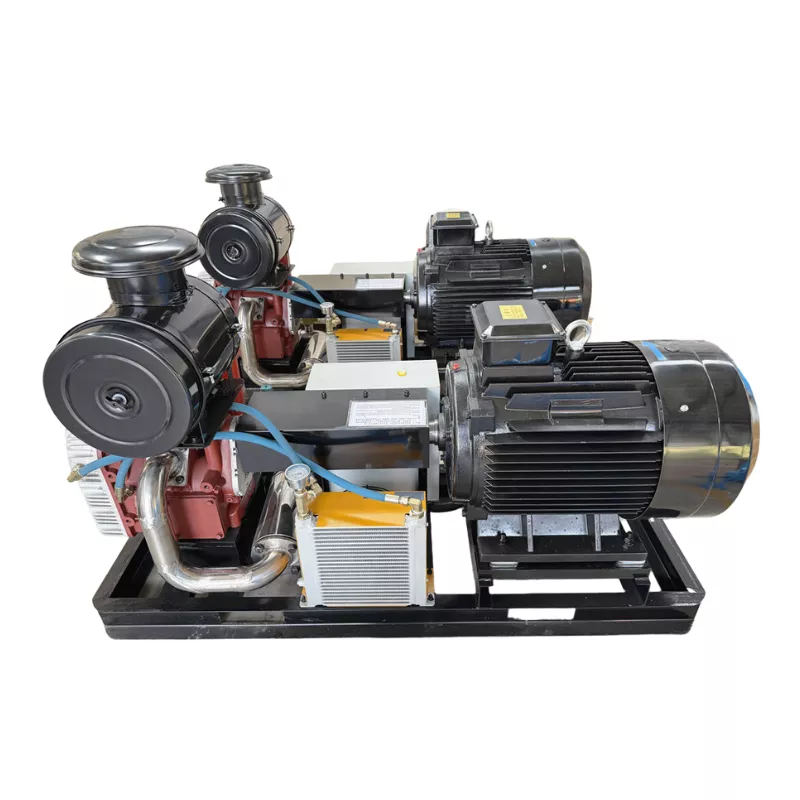
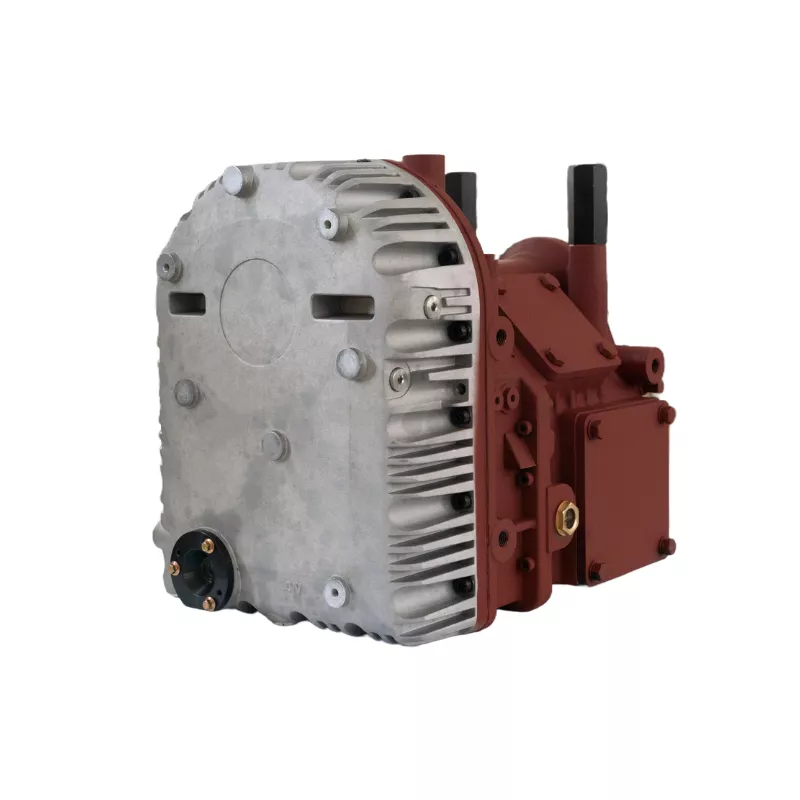
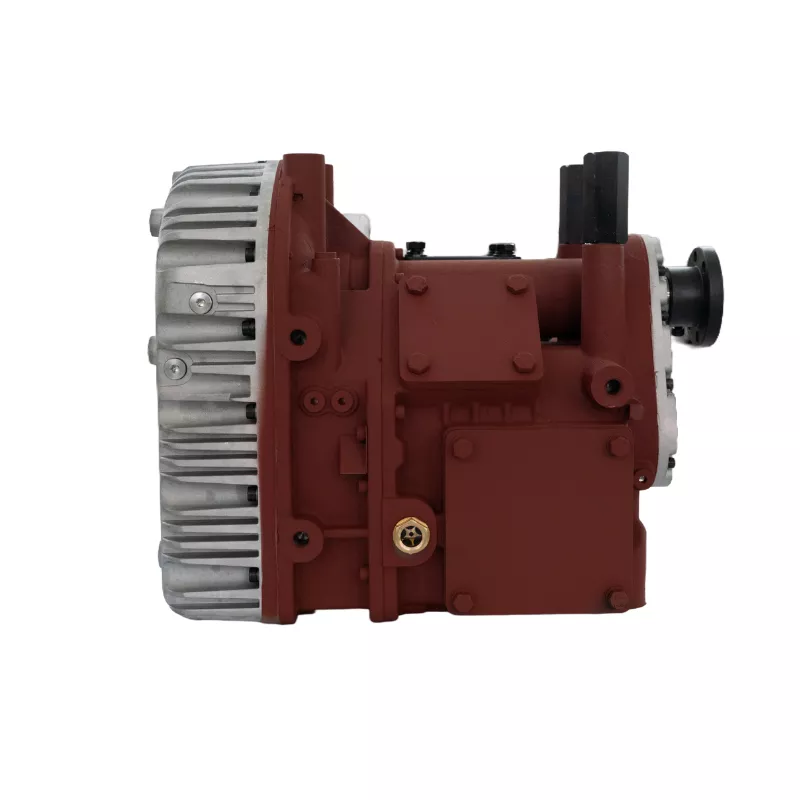
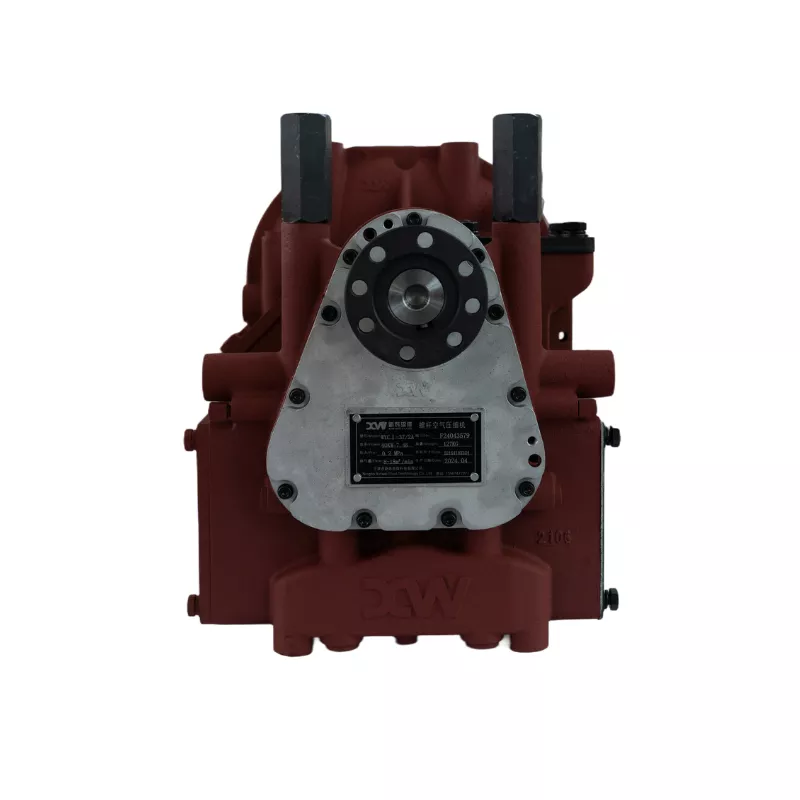
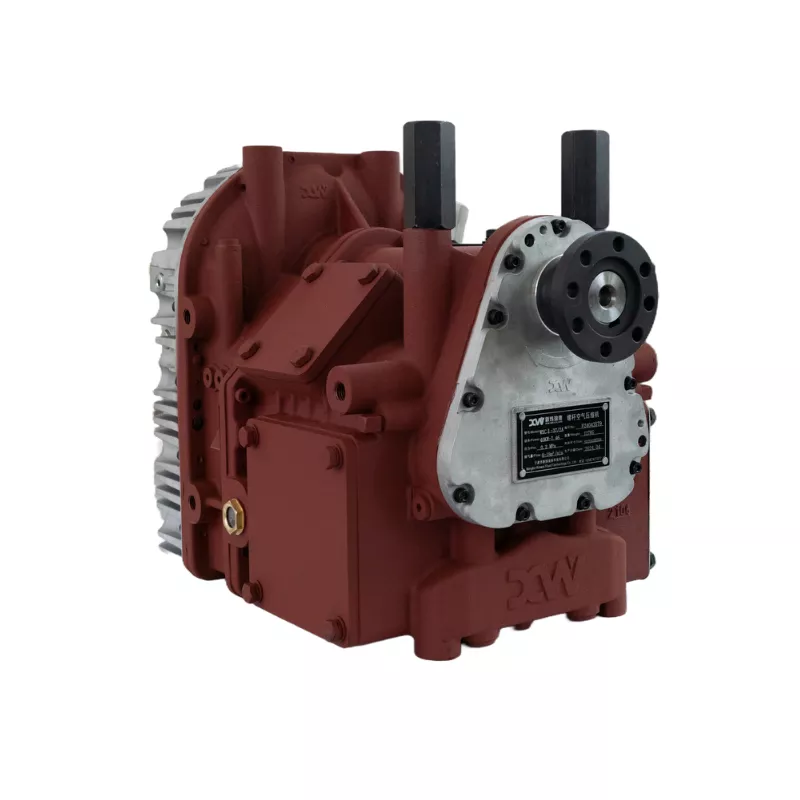
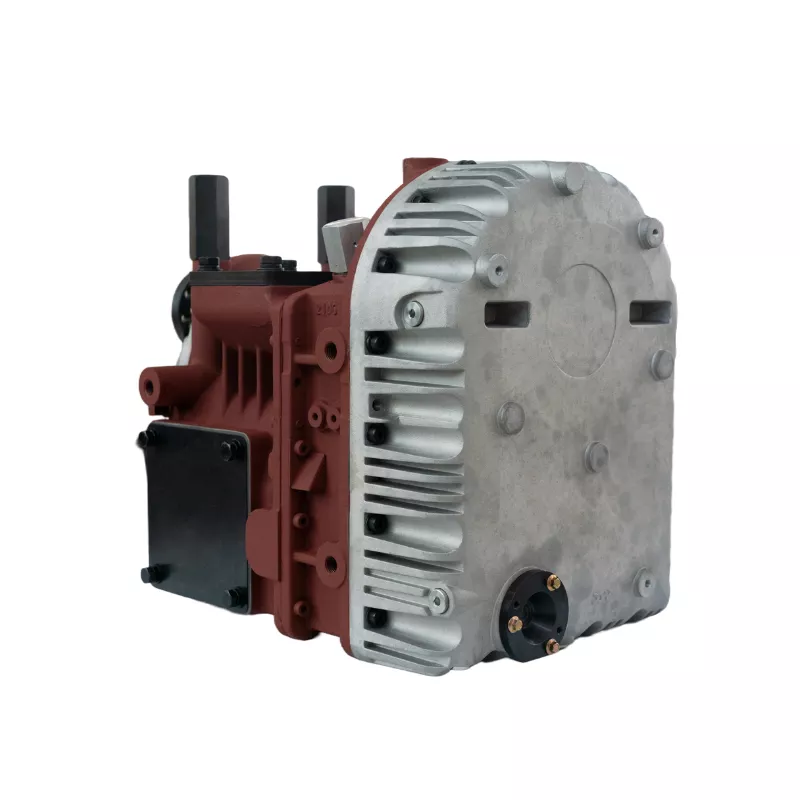
Features & Advantages
- Optimized Idling: 1,000 RPM input speed is compatible with most truck idling speeds. Paired with a properly ratioed PTO, the power take off air compressor reduces fuel consumption during unloading by up to 20%.
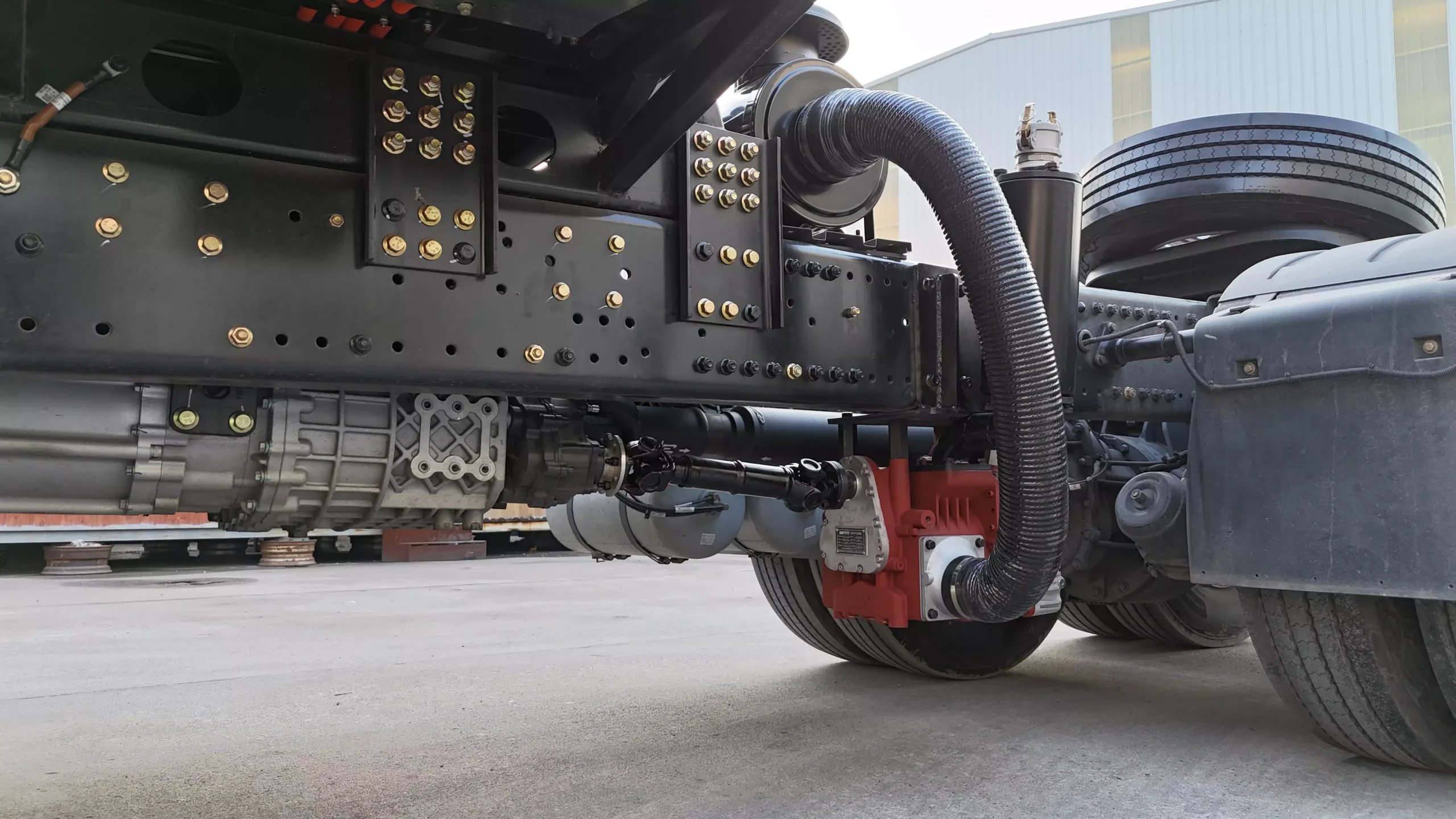
- PTO Drive: Short power path with up to 95% transmission efficiency, reducing energy loss by 15%–30%.
- PTFE Coating: Our PTO oil-free screw air compressor features a premium Teflon coating on the rotors for superior wear and temperature resistance, extending service life by 30%.
- FAG Bearings: Our direct-transmission mounted air compressor is equipped with premium imported German FAG bearings to support heavy-duty 24/7 continuous operations.
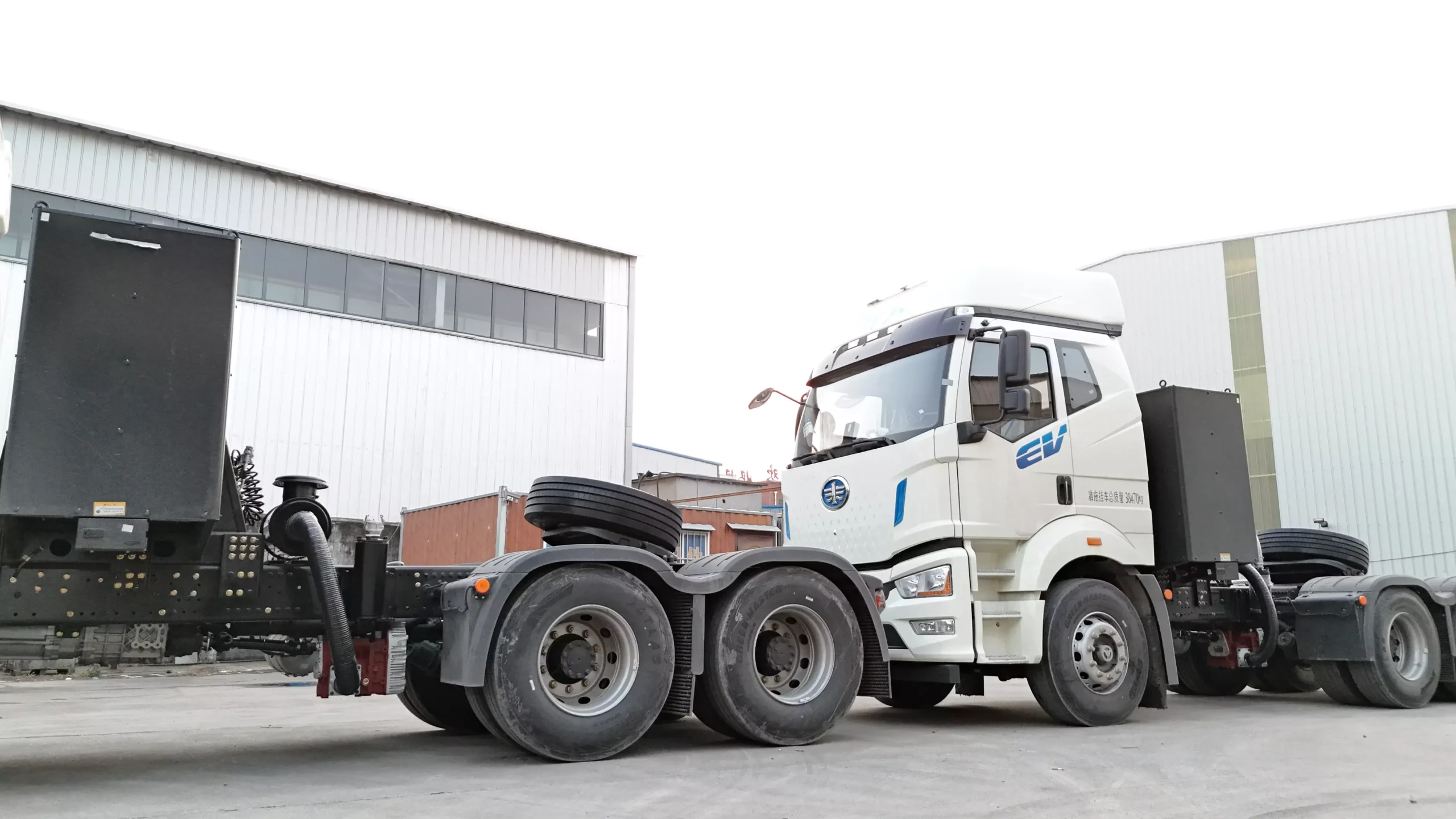
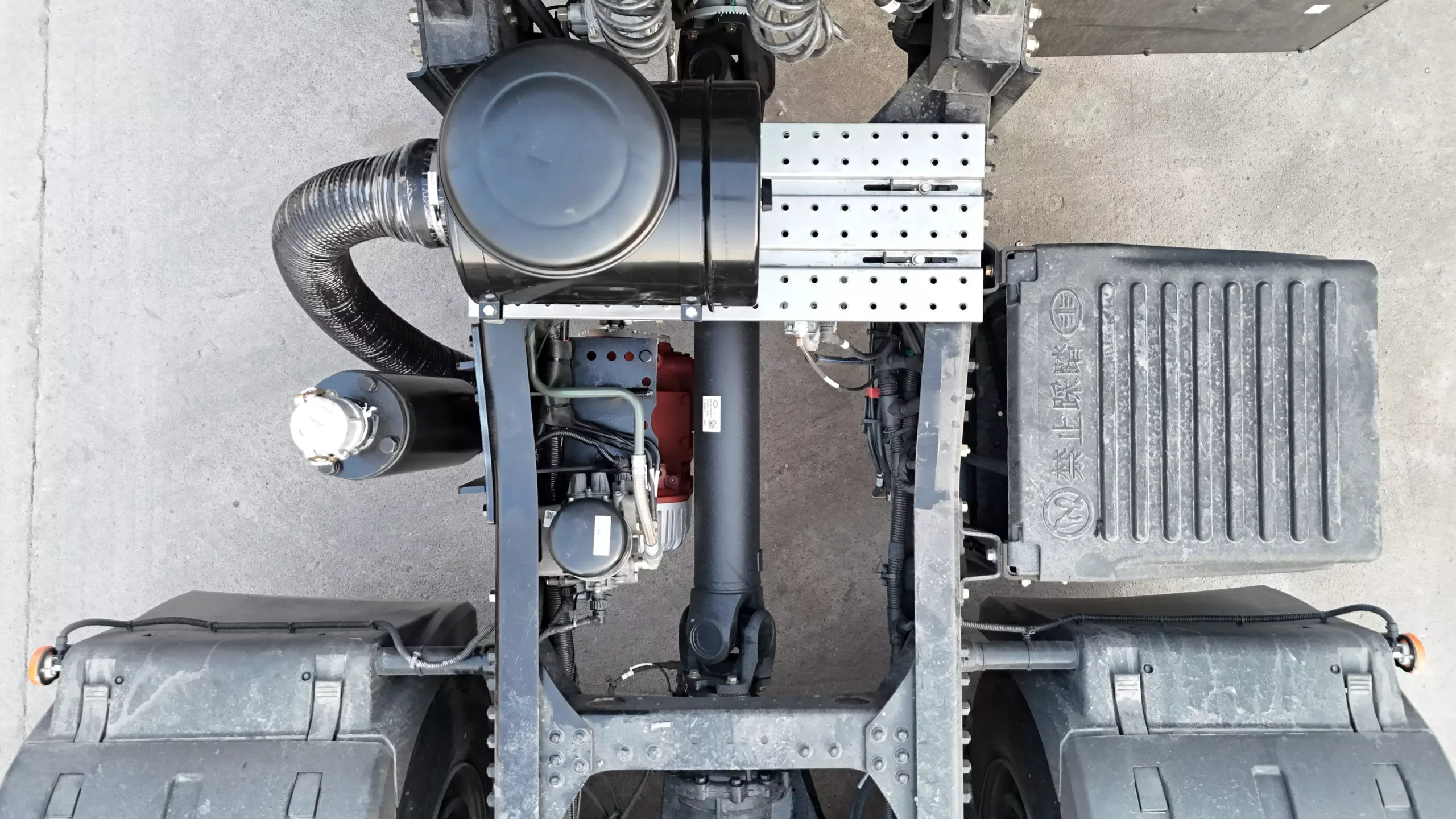
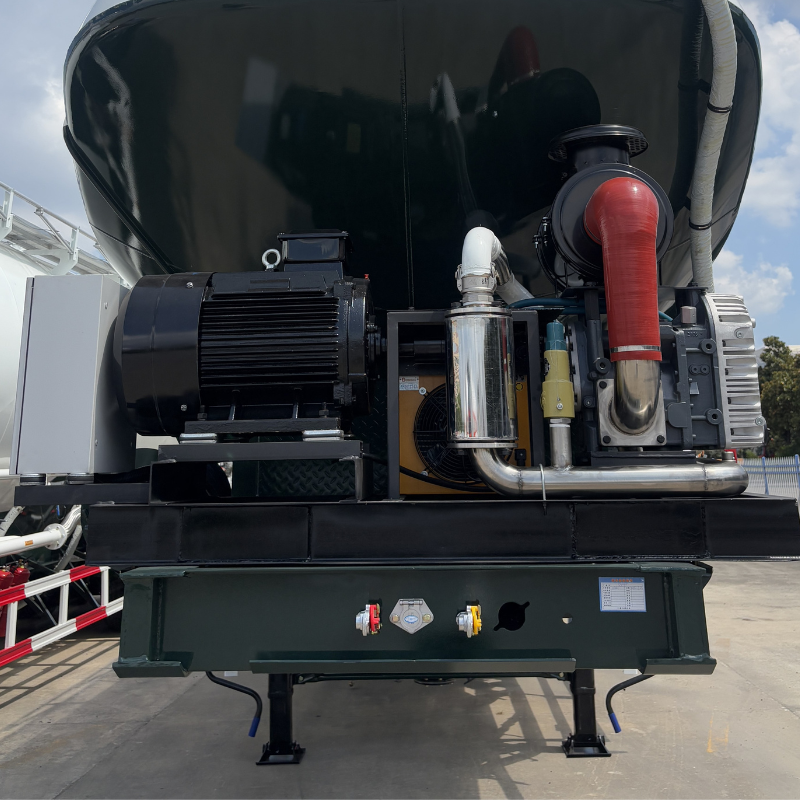
- Chassis-Integrated Design: It is a underbody air compressor mounts directly to the vehicle chassis without occupying tank space, improving space utilization by 20%.
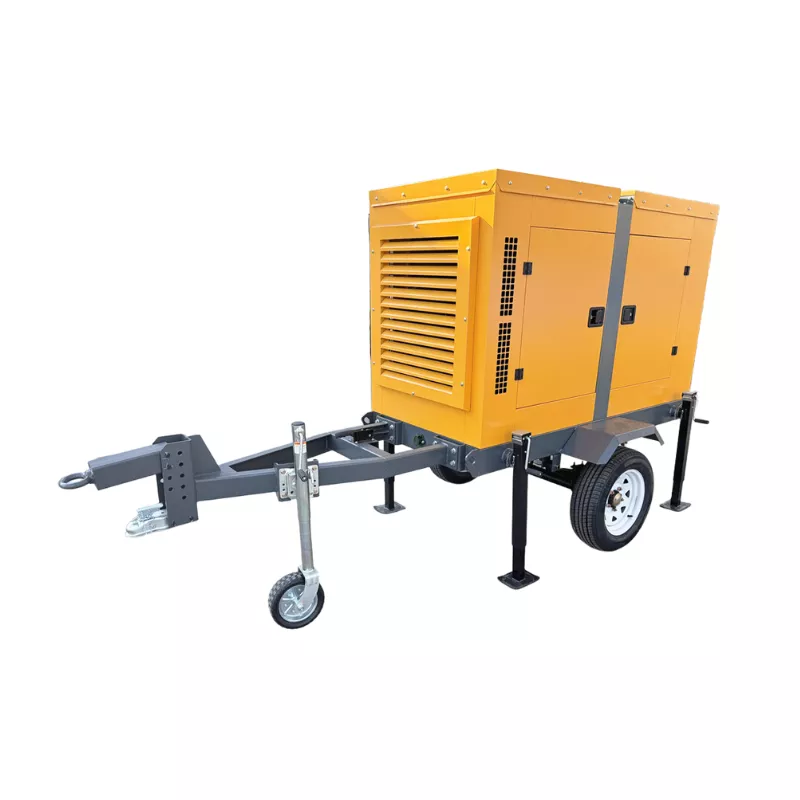
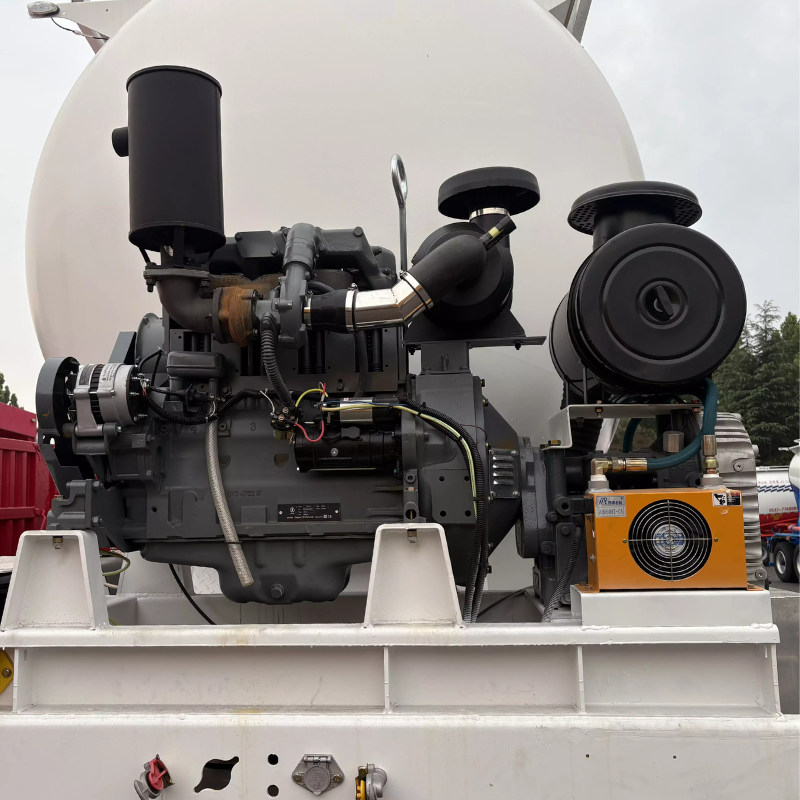
- Reduced GVW (Gross Vehicle Weight): Eliminating the auxiliary engine and base frame reduces total weight by 500 kg compared to traditional silobas setups, boosting transport capacity by 2%–3%.
- 100% Oil-Free Design: Utilizing a twin-screw oil-free structure with ISO 8573-1 Class 0 certification, our PTO underdeck air compressor ensures 100% pure air discharge, preventing secondary contamination of powder materials and ensuring food transport safety.
Parameters
| Model | DEBOS-PTO |
| Driven Method | PTO |
| Transmission | Shaft Link |
| Airflow | 12m³/min 423cfm |
| Pressure | 2.0bar |
| Input Speed | 1000rpm |
| Exhaust Temperature | 180-220℃ |
| Dimensions | 487mm*468mm*417mm |
| Weight | 127kg |